
About Us
1960
OUR STORY
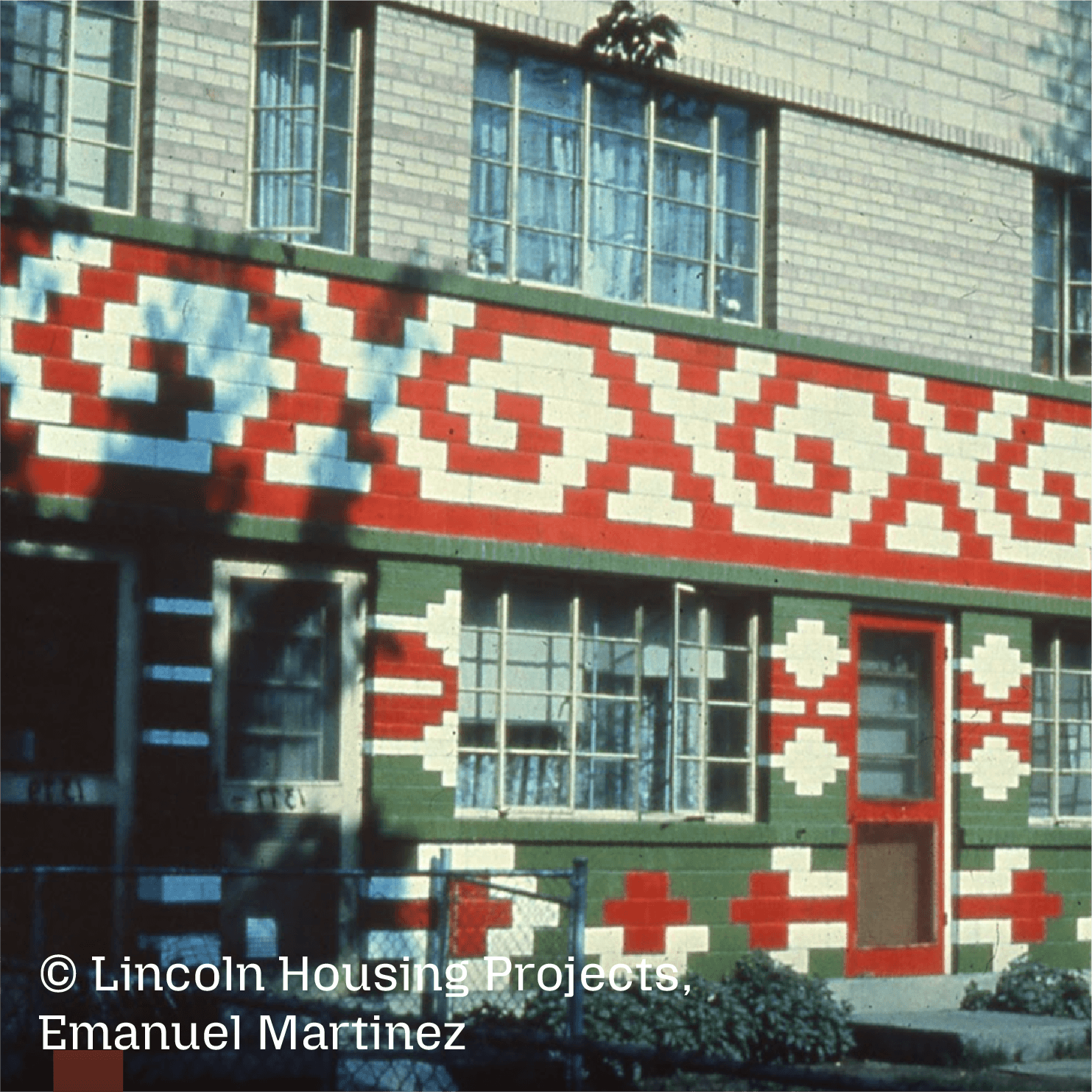
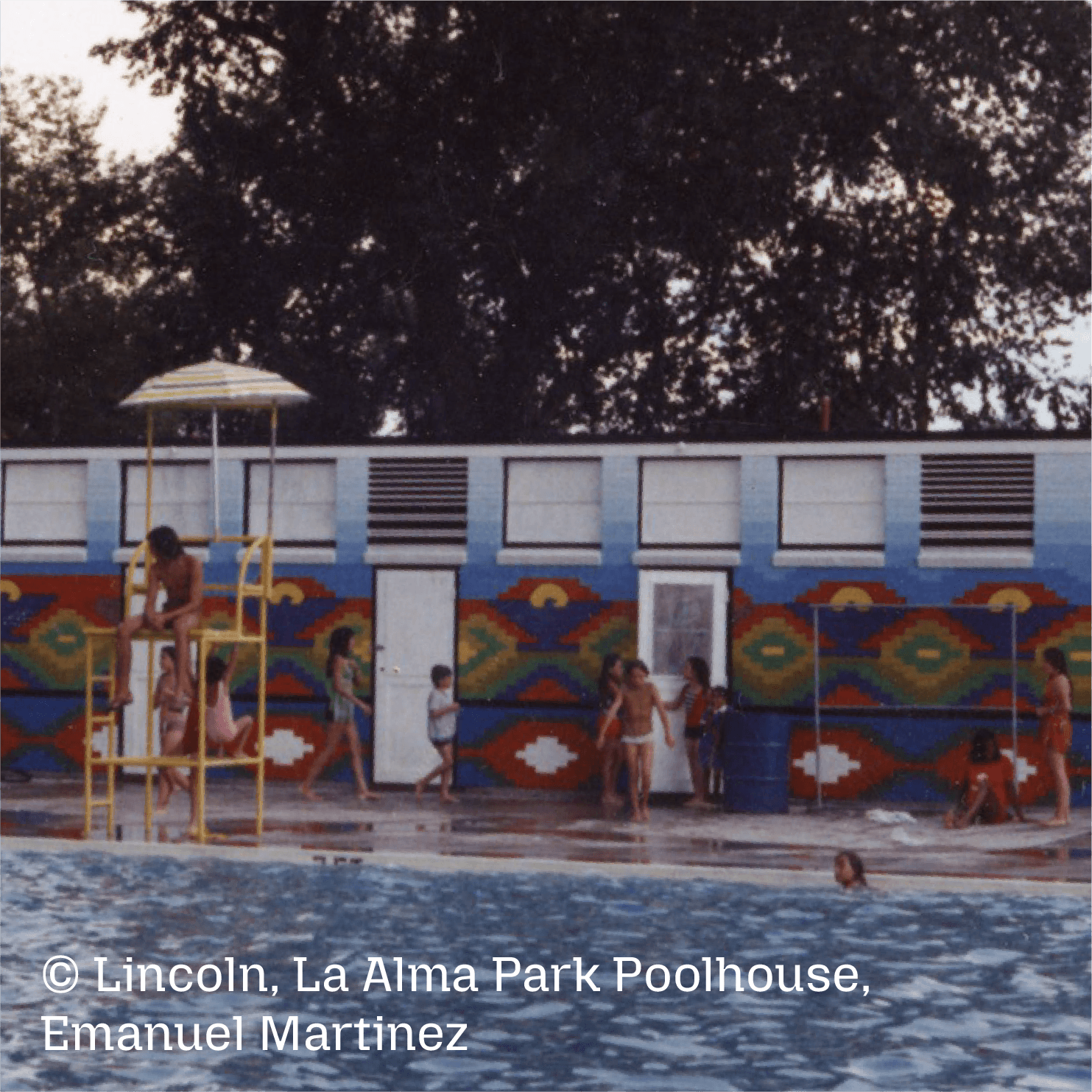
Emanuel Project builds on the legacy of the muralist movement that began in the late 1960s in Colorado and the American Southwest, driven by the voices of youth demanding equality and inclusion. Their struggles and histories were expressed through murals in their communities. These early murals served as declarations of identity and resilience. The artists brought community histories into public view, celebrated culture, and fostered spaces for connection and pride.
2011
MURALS OF HOPE
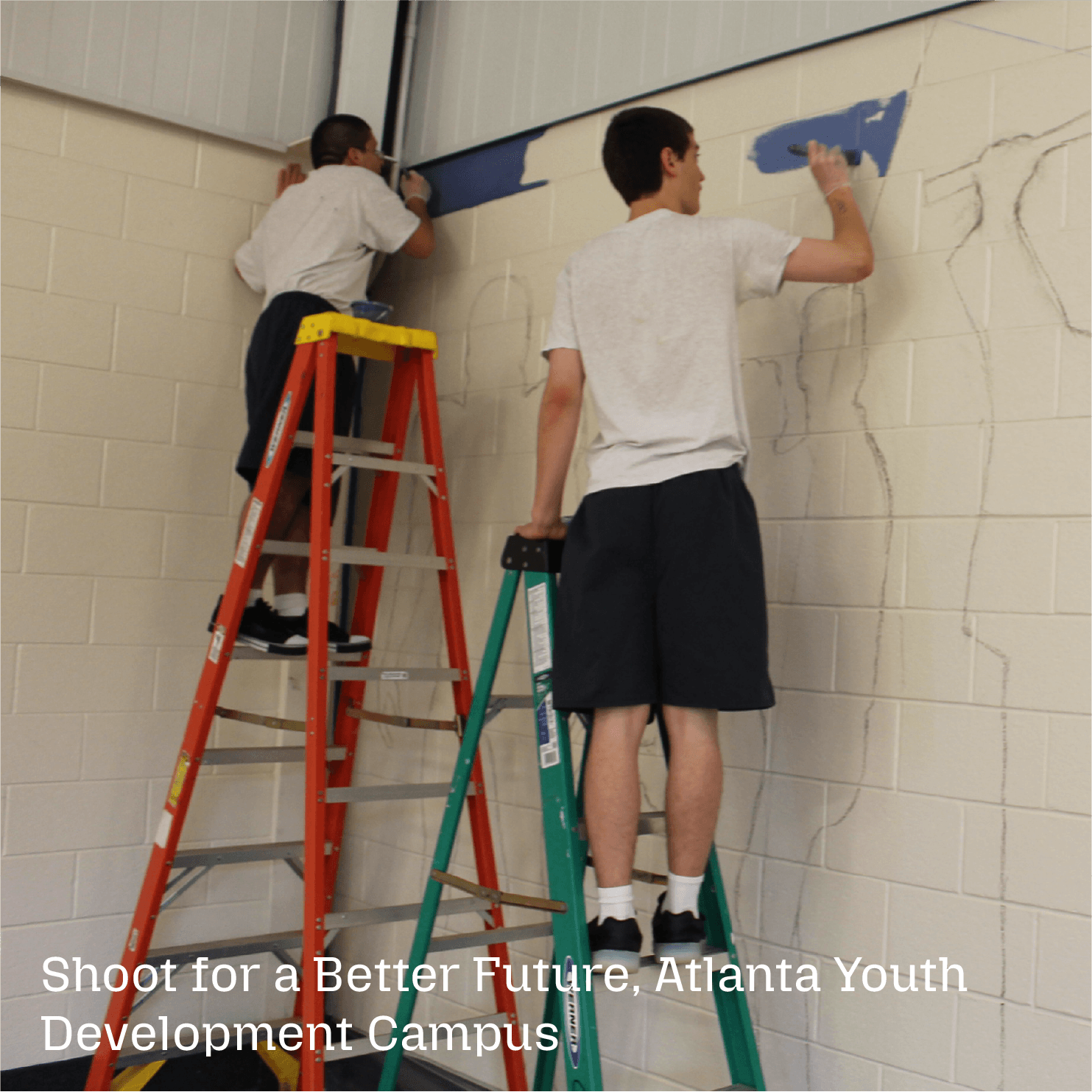
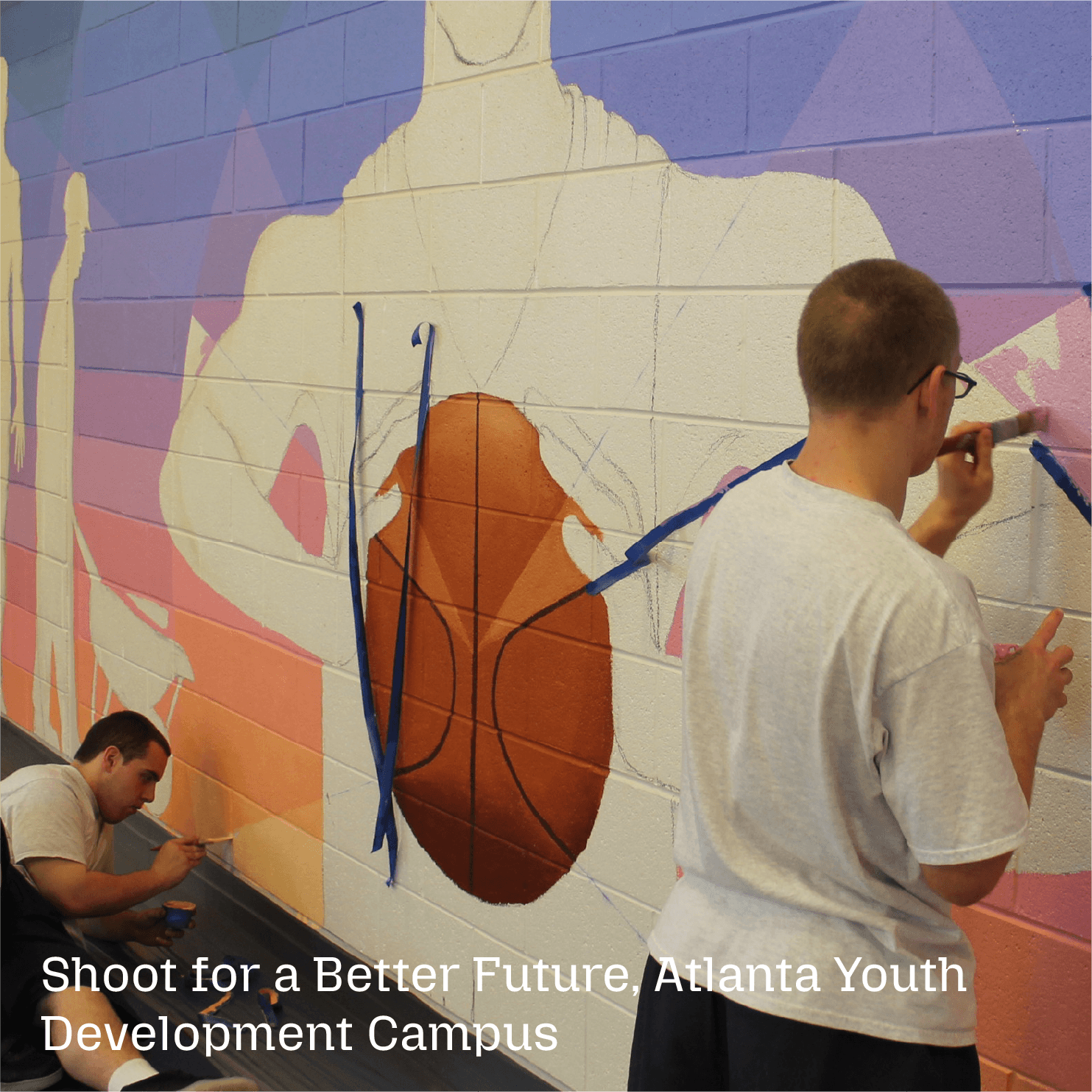
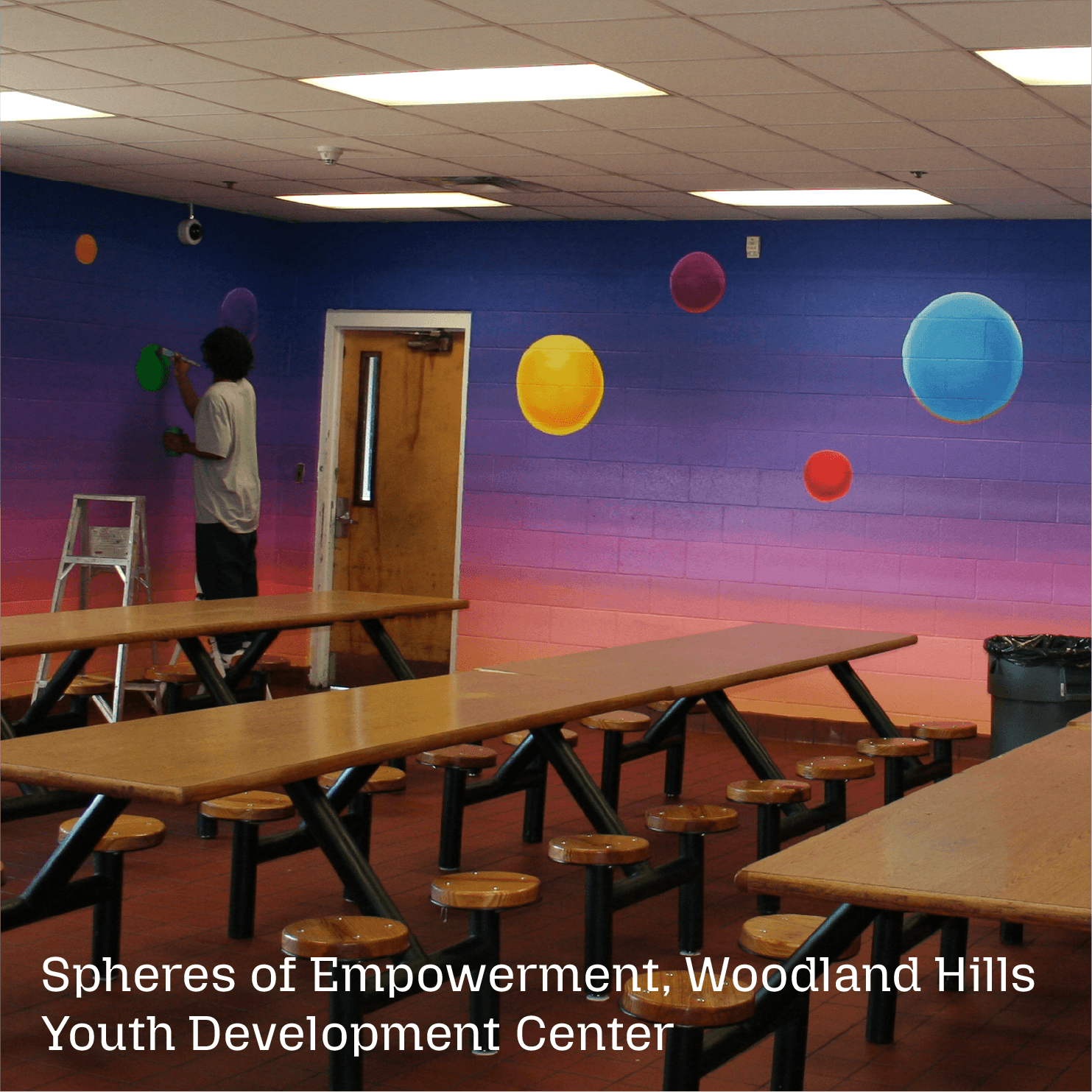
The Emanuel Project started in 2011, by Louisa Craft-Jornayvaz, working with youth in juvenile detention centers to create murals that affirmed a sense of leadership, identity, and collaboration. The first murals were painted in Georgia, soon expanding to California, Colorado, and beyond. Through our Murals of Hope program, we’ve created more than 50 murals in schools, juvenile justice programs, and community spaces across the United States, each reflecting the voices and experiences of the youth involved.
2018
CHICANA/O/X MURALS OF COLORADO PROJECT (CMCP)
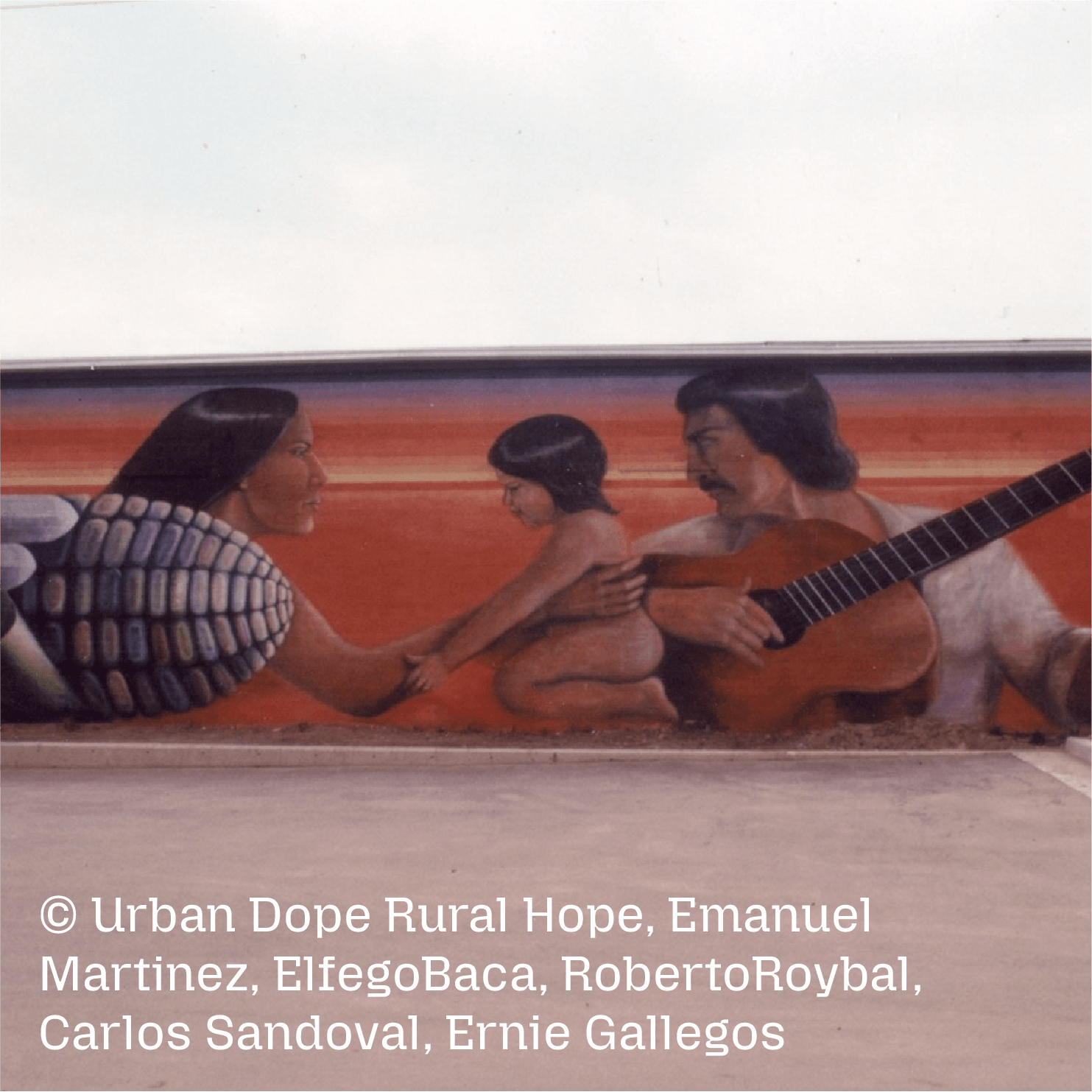
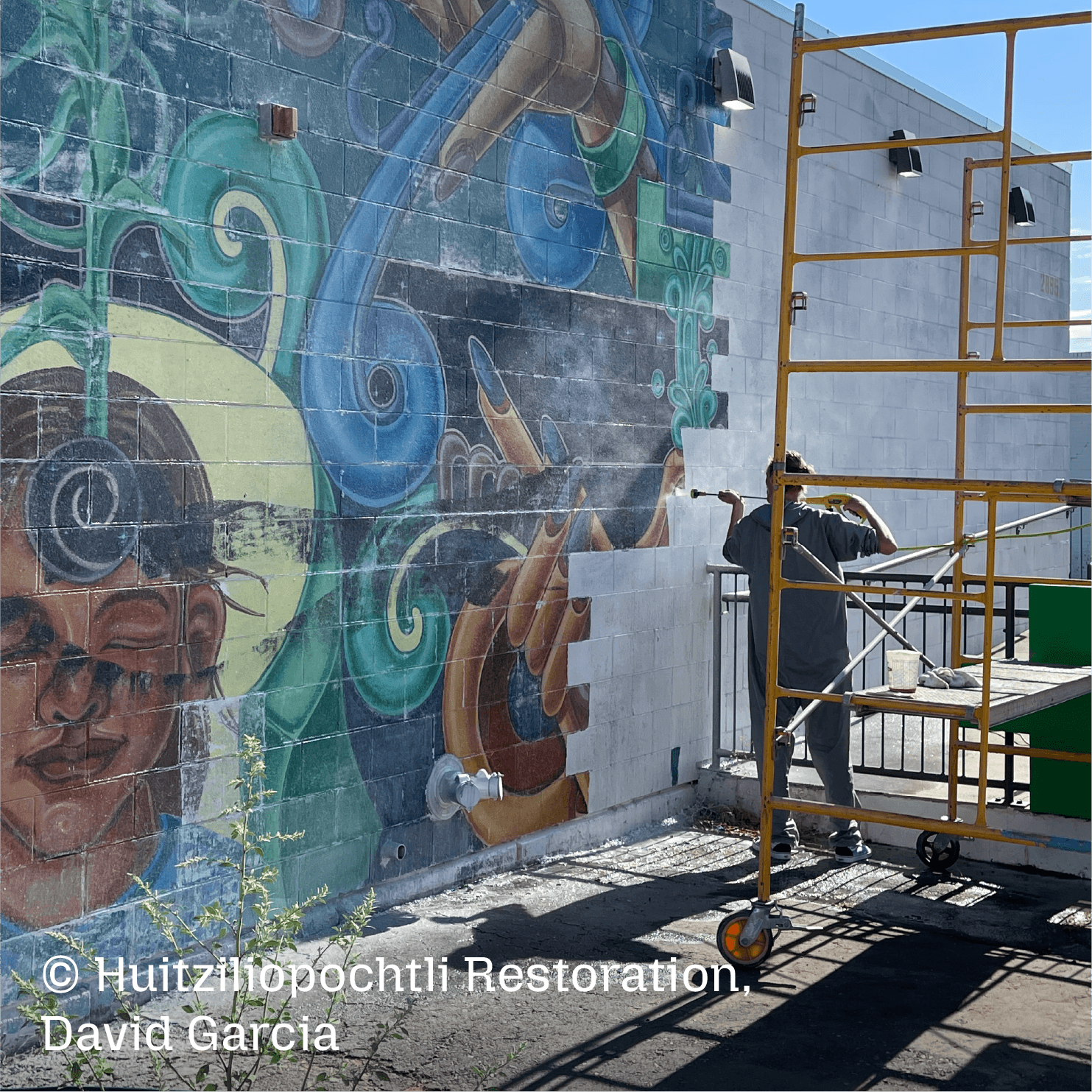
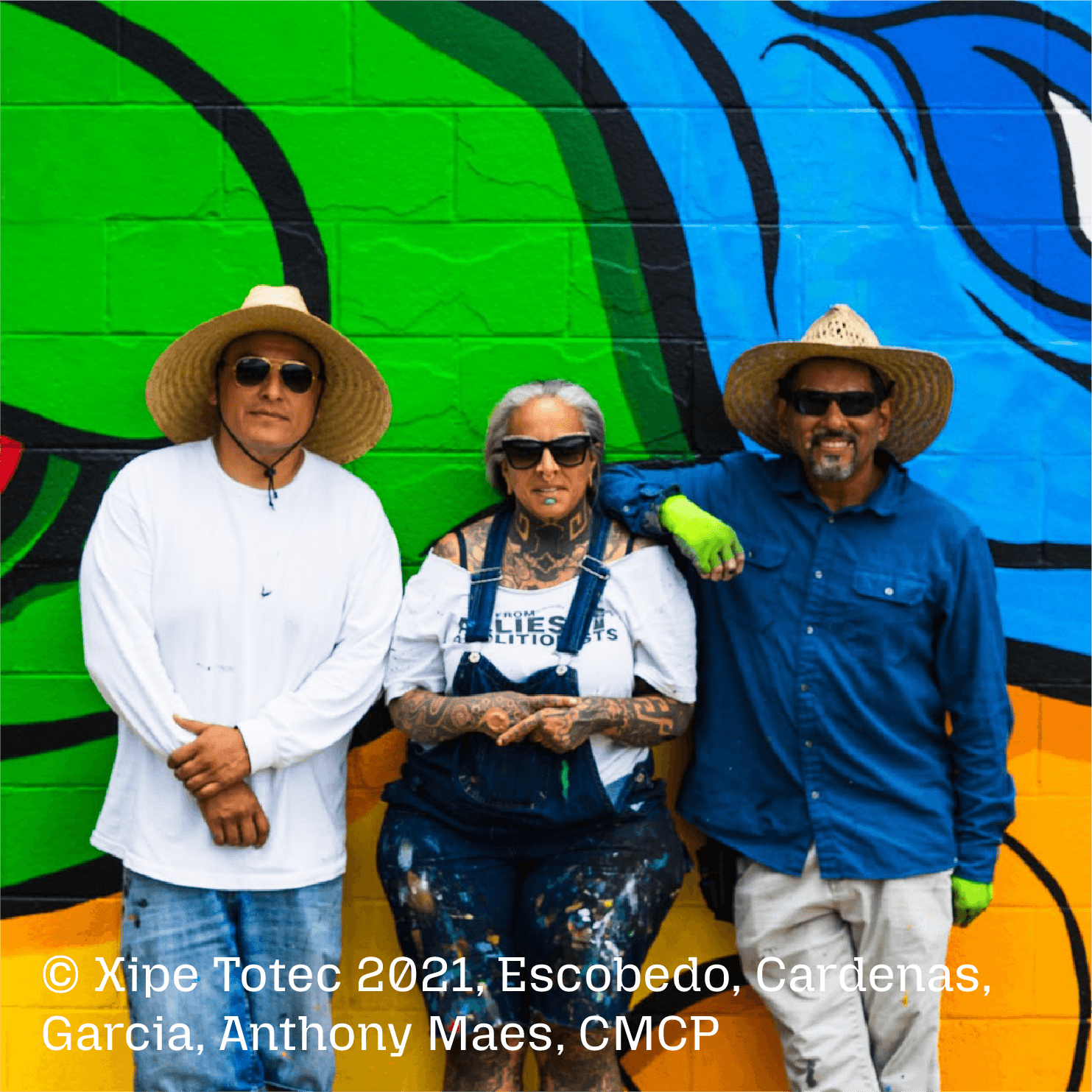
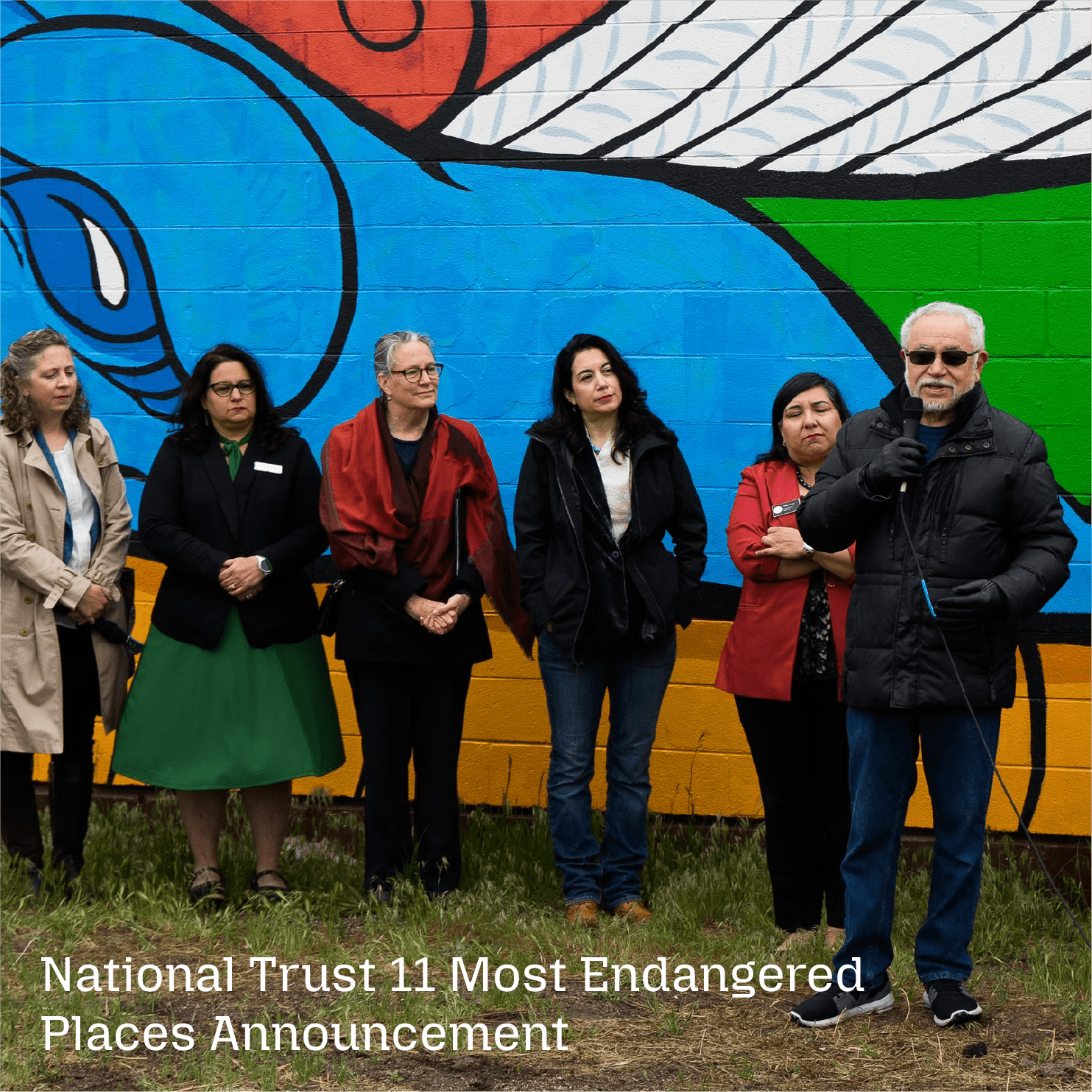
As years passed, some of the historic murals across Colorado faded, deteriorated, or were painted over. In 2018 we launched a grassroots initiative, the Chicana/o/x Murals of Colorado Project (CMCP), to restore and protect them. This work brings together communities, artists, and building owners to care for the murals and their histories, including the restoration of Urban Dope, Rural Hope, on Denver’s West Side —the largest community mural in Colorado when it was first painted in 1976.
Lessons InCreation & Care
Through our work, we have learned:
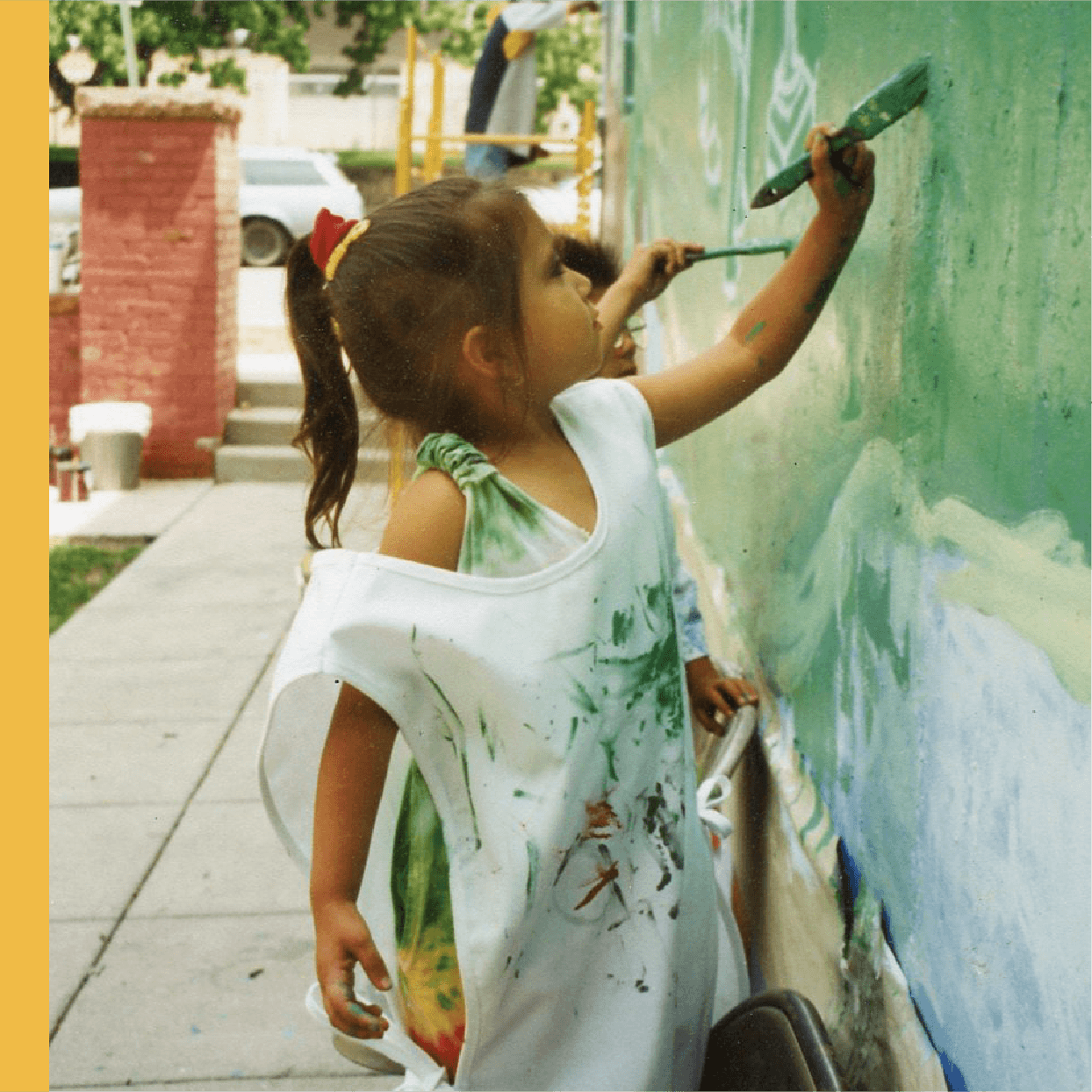
When youth, artists, and neighbors come together to paint, they do more than create a mural; they express identity, leadership, and a sense of belonging.
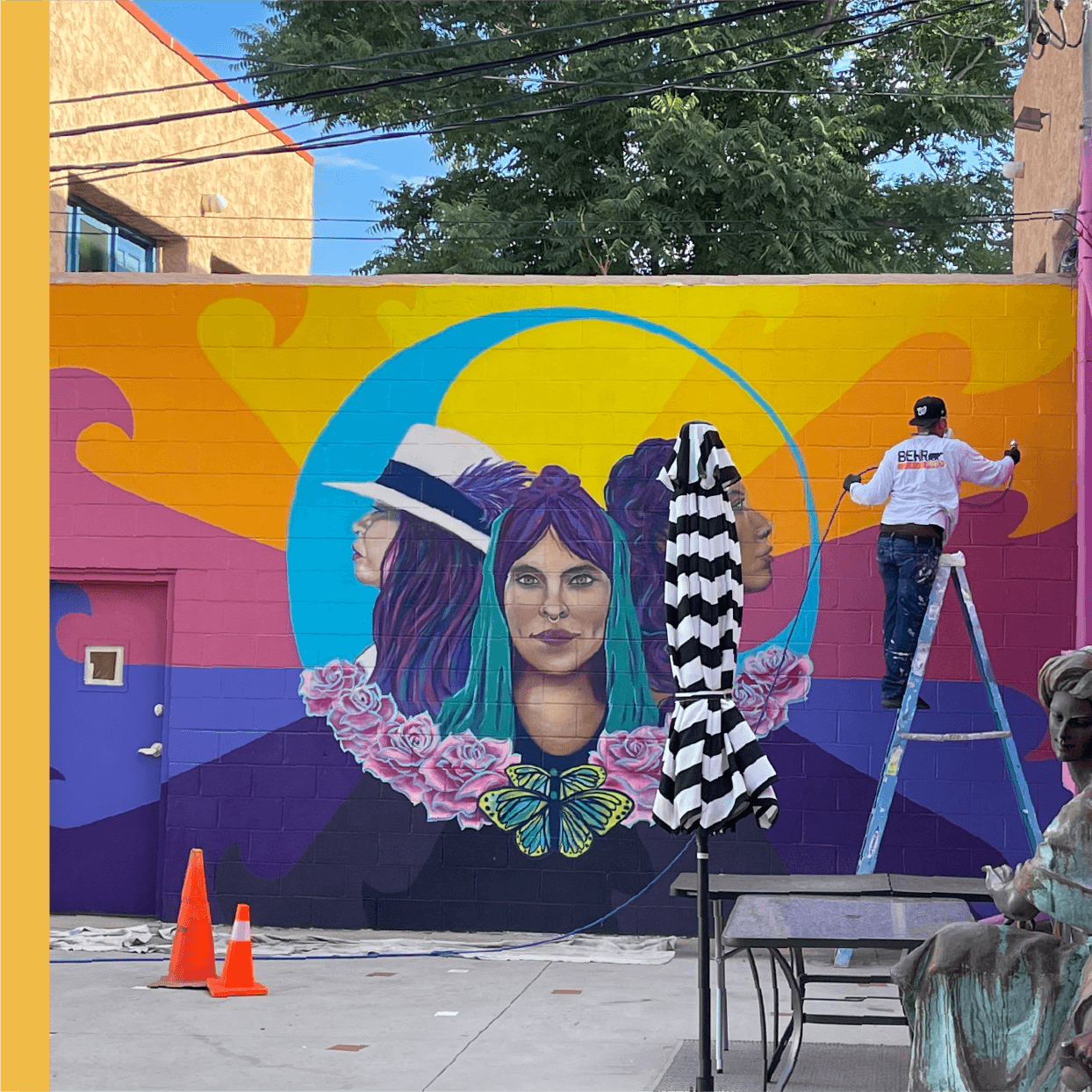
When a community restores or documents an existing mural, it keeps stories and skills alive that might otherwise be lost.
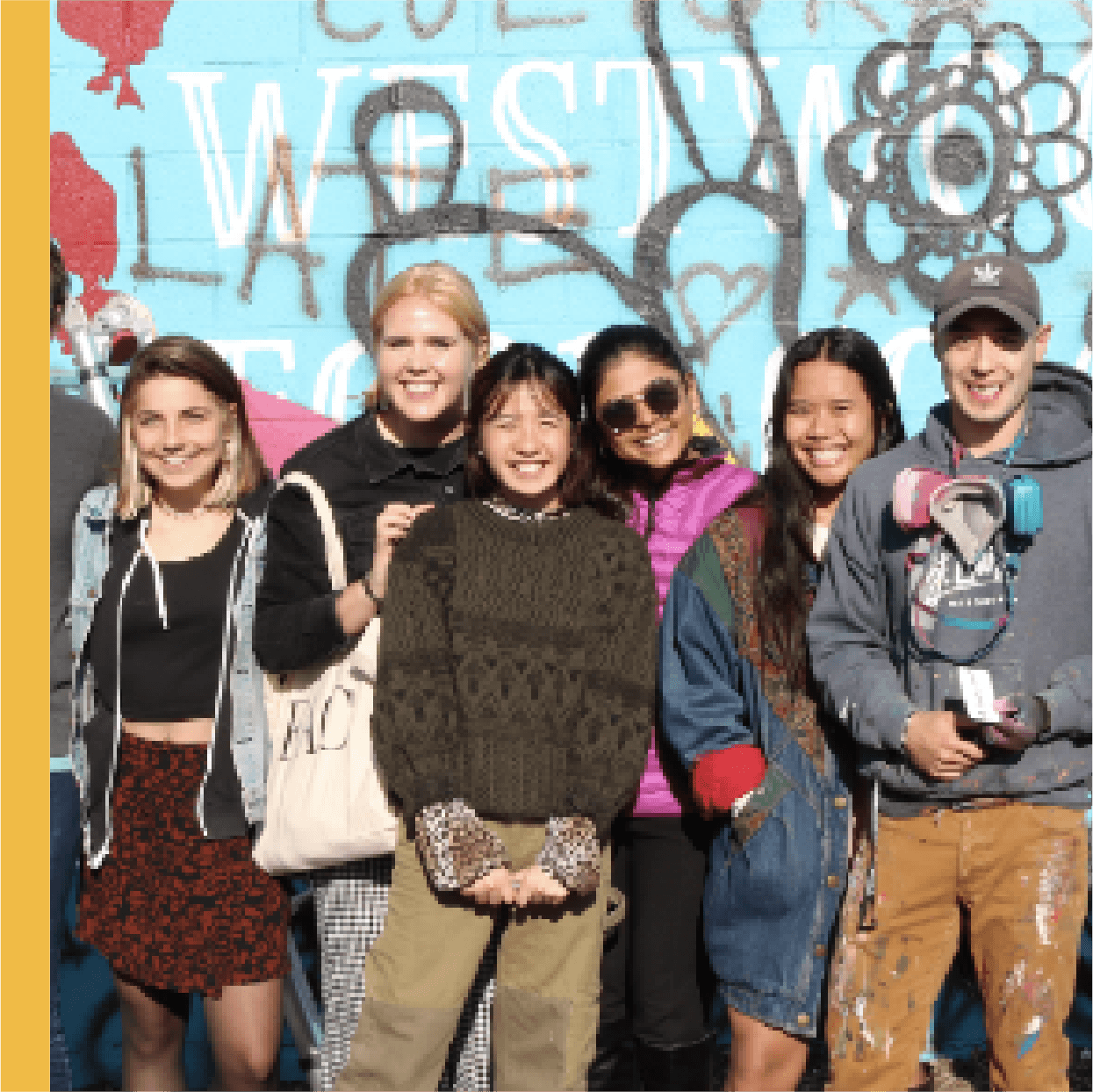
And when these works are shared through tours, classrooms, or storytelling, they connect across generations and ground memory in the present.
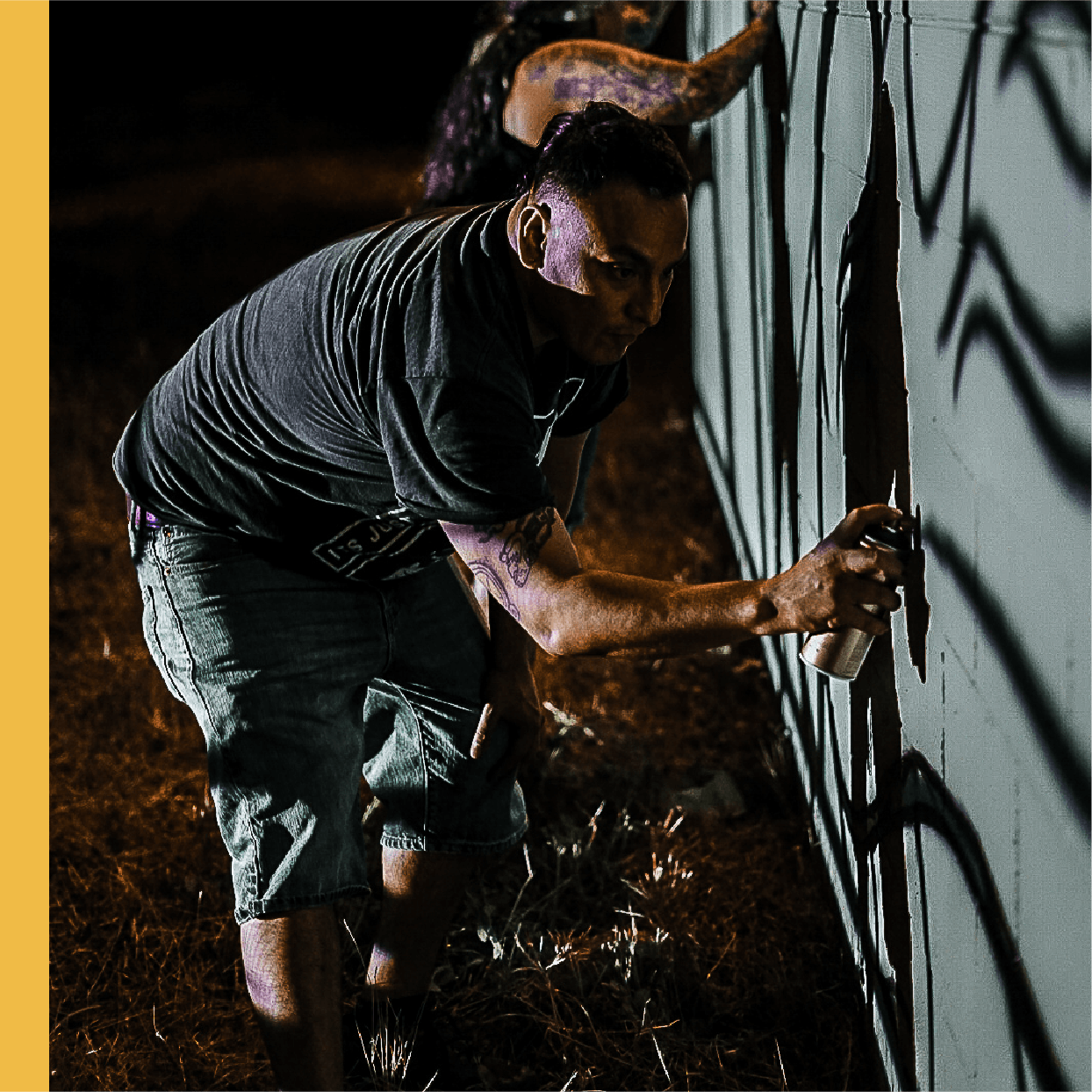
Through creation and care, communities see themselves reflected in public space.
Murals become community assets that sustain pride, connection, and possibility.
Three Paths,One Practice
Today, creating murals and preserving them are inseparable.
One path focuses on healing — making murals with youth and communities to build leadership and connection.
Another centers on preservation — restoring murals, documenting histories, and protecting cultural memory.
And woven through both is activation — sharing murals through tours, curriculum, exhibits, and storytelling so they continue to speak to new generations.
Together, these practices strengthen communities and keep important histories visible. Whether newly painted or decades old, each mural is part of a living record of place and people.
Where WeAre Now
Emanuel Project brings together mural-making, preservation, and community storytelling into a single practice. We work with youth, artists, educators, and neighbors to create new works, restore historic ones, celebrate cultural identity, and share the histories behind them.
Executive Director: Lucha Martínez de Luna.
Why Emanuel
Emanuel Project is named for artist Emanuel Martínez, who began drawing with burned matchsticks while incarcerated as a teenager. His journey into a nationally recognized career shows how art can open new possibilities for individuals and communities, and it continues to guide our mission today. The founder Louisa Craft-Jornayvaz was a former art student of Emanuel Martínez.